The Comparison Shopping Problem
Equipment buyers evaluate multiple dealers before making contact. They're looking at websites from dealers carrying the same manufacturer lines, trying to identify which one offers superior service capability. What I observe is the comparison doesn't always go well.
Some
heavy equipment dealer websites I review explain what brands they sell and where they're located. Buyers already know this information. They found the dealer by searching for that specific equipment brand in their region. What I don't see is how service capabilities differ between competing dealers of the same manufacturer.
The brand alone doesn't differentiate. I notice three dealers in a metro area selling Caterpillar excavators all display the same manufacturer logo and equipment photos. Equipment buyers understand they'll get the same machine quality regardless of dealer. Service infrastructure determines which dealer earns the business.
Protected Territory Doesn't Eliminate Competition
Dealers with exclusive manufacturer territories in specific regions sometimes assume brand recognition alone drives inquiries. The protected territory means no other dealer sells that equipment line locally. What I've learned is this creates a false sense of security.
Buyers still compare. They're evaluating whether to purchase new equipment from the authorized dealer or buy used equipment, lease instead of purchase, or rent until budget allows. Protected territory status doesn't eliminate these competing options.
Additionally, buyers researching major equipment purchases often compare authorized dealers across different geographic regions if they operate in multiple locations. A construction company with projects in three states evaluates dealers in all three markets. The dealer website becomes the primary comparison tool.
What Service Details Go Missing
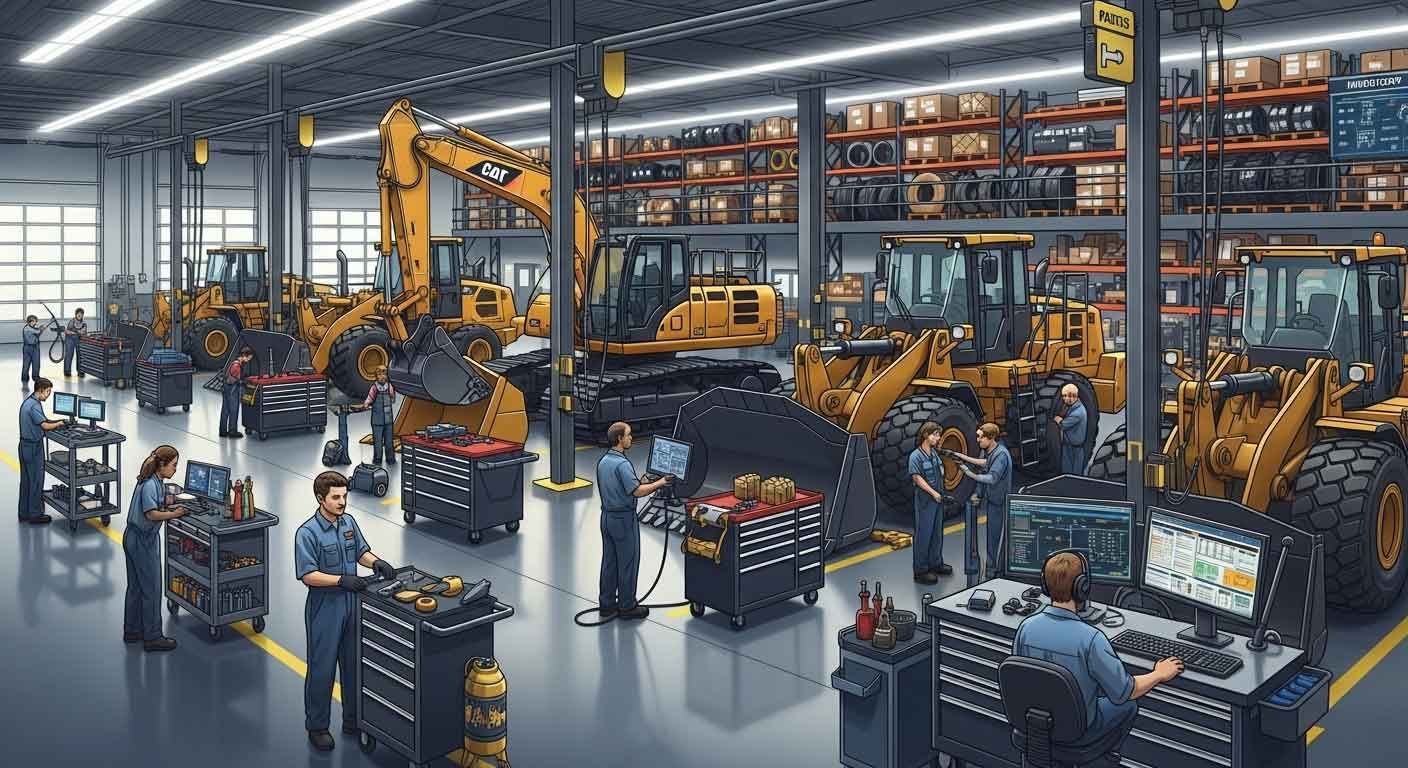
I notice dealer websites often omit the operational details buyers need to evaluate service capability. Parts inventory depth remains unspecified. Sites mention parts availability without stating whether the dealer stocks components for the specific equipment models the buyer operates.
Technician certification levels rarely appear. Buyers want to know how many manufacturer-certified technicians work at the dealership and what specific certifications they hold. Emergency service response areas stay vague. Sites claim "emergency service available" without defining geographic coverage zones or typical response timeframes.
These omissions force buyers to call multiple dealers asking identical questions. The dealer who answers these questions on the website reduces friction in the buyer's evaluation process.
The Service Infrastructure Blind Spots
Mobile service capabilities receive generic treatment. I see websites mention field service without specifying how many service trucks operate, what equipment they carry, or how dispatch prioritization works. Buyers operating equipment at remote job sites need to understand mobile service capacity before equipment breaks down.
Rental fleet availability during repairs goes unmentioned. Equipment downtime costs buyers money. Dealers who provide rental equipment or loaner machines while repairs proceed offer real value. This capability often exists but doesn't appear on dealer websites.
Fleet size matters to buyers evaluating rental options. A dealer claiming "rental equipment available" could mean three machines or thirty machines. Buyers can't assess whether rental inventory matches their needs without specific details.
Why Generic Service Claims Fail
The phrase "full service dealer" appears on competing dealer websites in the same market. Other dealers uses this language without explaining what full service actually means operationally.
One dealer's full service includes mobile diagnostics, parts delivery, and loaner equipment. Another dealer's full service means they have a parts counter and a service bay. Buyers can't distinguish between these different service levels when everyone uses identical language.
Service response commitments need quantification. "Fast service" and "quick turnaround" communicate nothing useful. Buyers want to know if emergency calls receive same-day response or next-day response. They want estimated repair completion timeframes for common issues.
Finance and Warranty Program Gaps
Manufacturer financing programs offer significant buyer advantages. Equipment purchases represent substantial capital investments. Buyers researching dealers want to understand financing options before requesting quotes.
What I observe is many dealers have access to manufacturer financing programs with competitive rates and terms. These programs don't appear on dealer websites. Buyers assume they'll need third-party financing and factor higher interest rates into purchase decisions.
Extended warranty expertise demonstrates dealer commitment to long-term service relationships. Manufacturers offer various warranty packages beyond standard coverage. Dealers who understand these programs and help buyers select appropriate coverage provide consultation value.
Warranty program details rarely appear online. Buyers researching equipment purchases want to understand warranty options during initial evaluation, not after they've already committed to a dealer conversation.
Proving Service Capability With Specifics
Service infrastructure evidence requires concrete operational details:
- Technician count and manufacturer certification levels
- Service bay capacity and equipment diagnostic tools
- Parts inventory policies and stock rotation practices
- Average emergency response times by geographic zone
- Mobile service truck count and equipment carried
- Heavy equipment rental fleet size and availability
- Loaner equipment programs and qualification requirements
- Manufacturer financing program access and typical approval timelines
These details separate claims from capabilities. Buyers evaluating dealers need evidence that service infrastructure matches equipment investment requirements.
Repositioning Around Service Infrastructure
Heavy equipment dealer's websites compete on more than equipment price. Service capability determines long-term equipment ownership costs through uptime maintenance and repair efficiency.
Dealer websites need restructuring to communicate service infrastructure details buyers use for evaluation. This repositioning requires identifying the operational specifics that differentiate your dealership from competitors selling the same equipment lines.
Mansfield Marketing works with heavy equipment dealers to restructure website content around service capability differentiation. We identify the technician certifications, parts inventory depth, mobile service capacity, and warranty program expertise that prove service infrastructure. Contact Mansfield Marketing to discuss repositioning your heavy equipment dealer marketing from equipment catalog to service capability proof by
requesting a quote or calling (713) 936-5557.