The Language Problem I Often See
An issue with safety equipment distributor websites I've seen is how similar some of them sound. "Comprehensive inventory." "Expert service." "Fast delivery." "Trusted partner." These phrases appear across distributor sites regardless of what they actually stock or who they serve.
The problem isn't that these statements are false. The problem is they don't help EHS directors determine if a distributor understands their facility's specific safety requirements.
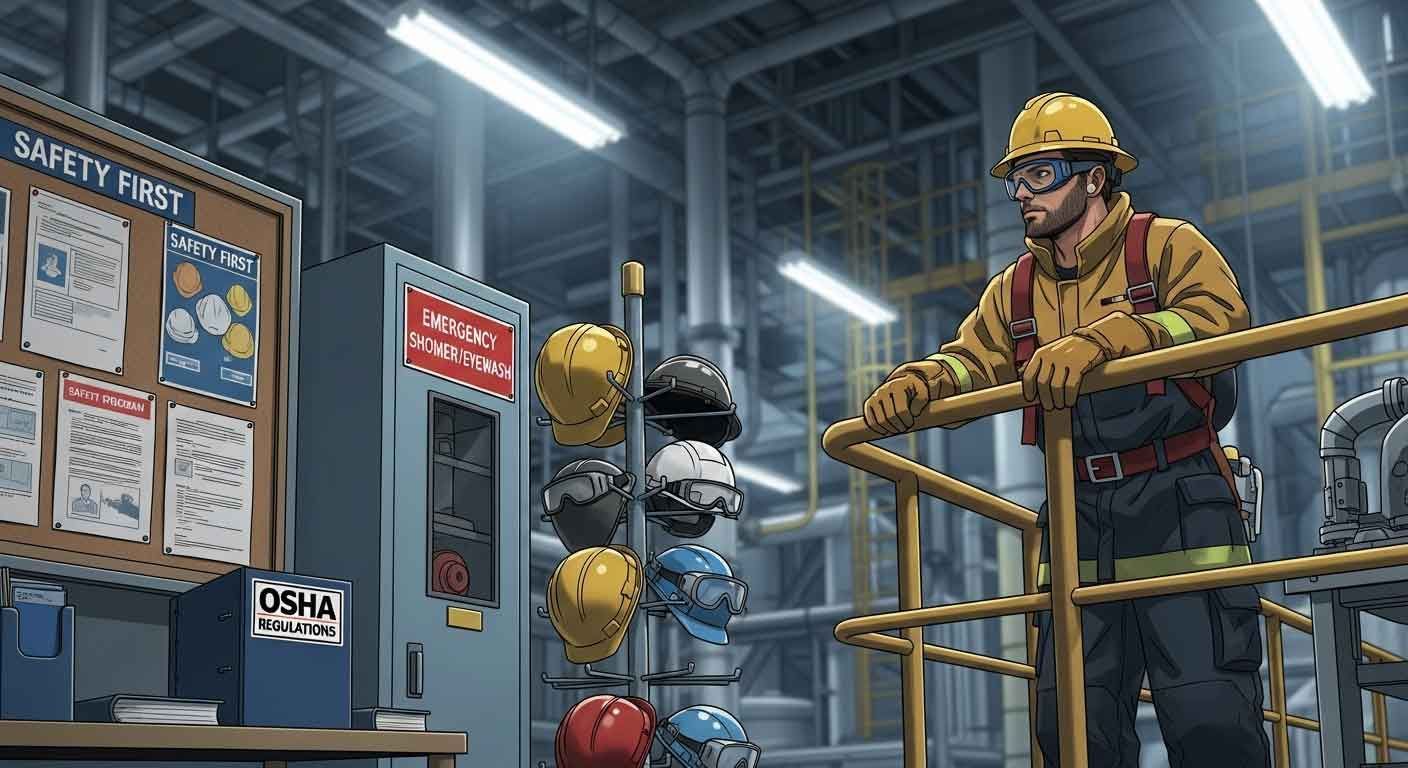
A chemical plant EHS director faces different challenges than a construction safety manager. Refineries need different PPE configurations than food processing facilities. But distributor websites rarely indicate which industries they actually understand.
What Plant Buyers Actually Evaluate
I've learned that EHS directors and plant safety managers evaluate suppliers on application knowledge, not just product availability. They want evidence the distributor understands regulatory requirements for their specific industry.
When I look at what plant buyers research, they typically evaluate:
- Industry-specific kit configurations already assembled
- Knowledge of facility-specific hazard classifications
- Understanding of which certifications apply to their operations
- Application guidance for complex PPE selection
- Regulatory compliance support beyond product delivery
These requirements don't appear on most distributor websites I review. The sites list product categories (fall protection, respiratory, gas detection) but don't demonstrate understanding of when and why specific equipment is required for different facility types.
The Missing Specialization Signal
What I observe in safety equipment distribution is that buyers get attracted through specialization signals, not inventory breadth. Distributors sometimes position themselves as "full line" suppliers without indicating which industries they serve best.
A refinery safety manager needs a distributor who understands API standards, NFPA 70E requirements, and confined space entry protocols for petrochemical environments. That manager won't contact a distributor whose website just lists "confined space equipment" as a category.
The specialization gap shows up in missing details. What I don't see on distributor sites:
- Which industry standards they track for compliance changes
- What types of facilities they've performed hazard assessments in
- Which OSHA regulations they help clients navigate
- What industry-specific training they provide with equipment sales
Without these details, distributors look interchangeable to buyers researching suppliers.
Why "Full Line Distributor" Positioning Fails
The "we stock everything" approach backfires in industrial safety. I've learned that EHS directors want specialists, not generalists.
Plant buyers face specific challenges. A food processing facility needs sanitary-compliant PPE that won't introduce contamination risks. They need cleanroom protocols, disposable garments with specific particulate ratings, and slip-resistant footwear that survives daily washdowns.
A metal fabrication shop needs arc flash protection, cut-resistant gloves rated for specific materials, and respiratory protection for welding fumes. The certifications and testing standards differ completely from food processing.
When a distributor claims to serve all industries equally well, I observe buyers questioning whether they truly understand any industry deeply. The generalist positioning suggests surface-level product knowledge rather than application expertise.
Specialization builds credibility. A distributor who says "We specialize in petrochemical facility safety" immediately signals to refineries and chemical plants that they understand those environments. That positioning excludes some potential buyers, but it attracts the specific buyers who need that expertise.
Content as Proof of Expertise
I see safety equipment distributors proving specialization through the content they publish. Instead of generic "safety tips" blog posts, specialized distributors create resources that demonstrate facility-specific knowledge.
Content that signals expertise includes hazard assessment checklists for specific facility types, kit lists for industry applications, compliance updates for relevant OSHA regulations, case studies showing safety program development, and application guides explaining when specific protection levels are required.
I observe a pattern where distributors publish content that could apply to any workplace. "Five Tips for Fall Protection" or "Why Safety Training Matters." This content doesn't differentiate them from competitors or prove they understand specific industries.
Specialized content looks different. "Chemical Compatibility Guide for Glove Selection in Sulfuric Acid Environments" proves chemical processing expertise. "Arc Flash PPE Requirements for Electrical Maintenance in Oil Refineries" proves petrochemical knowledge.
The content demonstrates the technical depth buyers need to see before they'll contact a distributor for their facility's safety programs.
Repositioning From Generic Distribution to Specialized Partnerships
This positioning problem is solvable. It requires safety equipment distributors to identify which industries they actually serve best, then restructure their marketing to demonstrate depth in those specific sectors.
The shift means choosing specialization over breadth. A distributor can't claim expertise in food processing, petrochemical, construction, and healthcare simultaneously without diluting credibility. Focus builds authority.
Repositioning involves highlighting industry-specific certifications, facility types served, regulatory knowledge, and application expertise. It means creating content that proves technical depth rather than listing inventory categories.
Sometimes distributors need external perspective to identify what specialization signals are missing from their current positioning. The knowledge that seems obvious internally often doesn't translate to website content that communicates expertise to buyers.
Mansfield Marketing works with safety equipment distributors to reposition from generic distribution to industry-specialized safety partnerships as part of holistic marketing strategy. We identify which industries provide the strongest differentiation opportunities, then restructure website content to demonstrate facility-specific expertise and application knowledge. Contact Mansfield Marketing to
receive a quote or call (713) 936-5557 to discuss repositioning your safety equipment distribution marketing from commodity inventory supplier to specialized industry partner.