Who EHS Directors Are and How They Buy
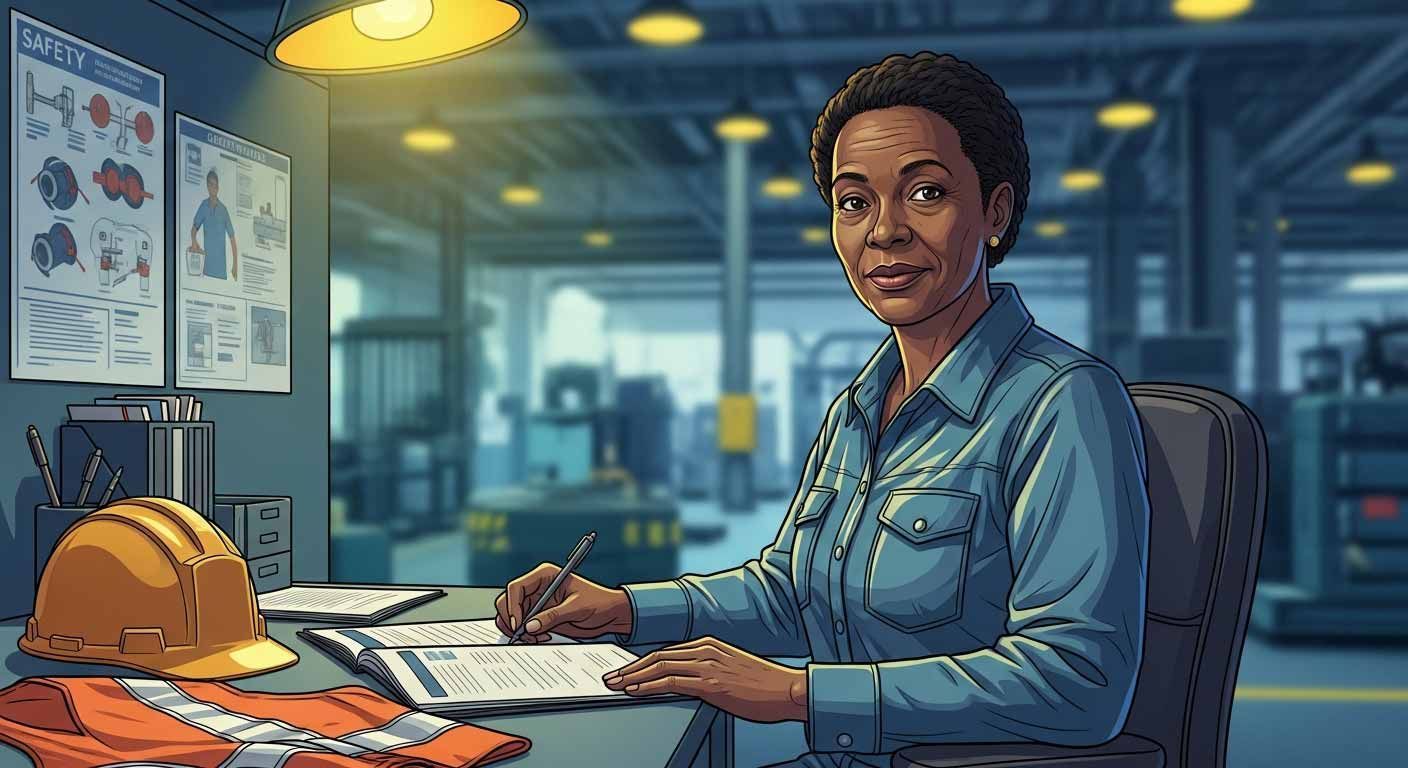
EHS directors occupy an unusual position in the B2B buying process. They carry real authority over vendor selection, but they almost never make the final purchase decision alone. Their job is to identify the problem, build the business case, evaluate vendors, and arrive at procurement with a recommendation. Procurement signs the check. That dynamic shapes everything about how
industrial safety companies need to market themselves.
What I see with EHS-focused buyers is that risk reduction drives the purchase, not cost savings. That's not a subtle distinction. When a safety equipment distributor leads with price, they're speaking a language EHS directors aren't listening for. These buyers are asking whether this vendor will help them stay compliant, reduce incident frequency, and stay ahead of a regulatory audit. The budget conversation comes later and usually belongs to someone else in the organization.
Regulatory triggers are often what move a purchase from "eventually" to "now." A new OSHA standard. An EPA inspection. An industry-specific mandate. A near-miss incident on the plant floor.
Industrial safety consulting firms know this pattern well. The phone rings after something changes, not because a prospect was browsing vendor websites looking for a better deal. That reality has direct implications for how safety companies should build their content.
The Commodity Trap in Industrial Safety Marketing
Here's the problem I see on safety company websites: everyone sounds the same. Safety equipment distributors, EHS consultants, and safety training providers all lead with compliance and certifications. ISO 45001. OSHA 10 and 30. EPA compliance support. Those credentials matter, but when every competitor lists the same ones in the same order, they stop functioning as differentiators and start functioning as wallpaper.
Safety equipment distributors face a particularly sharp version of this problem. When your primary message is "we carry PPE from leading brands," you've described a commodity. Buyers know it. And when the buying trigger is regulatory urgency, a vendor who can speak to specific OSHA standards, industry exposure types, and documented compliance outcomes has an immediate advantage over one selling catalog access.
The same trap catches EHS consultants. "We help companies achieve and maintain regulatory compliance" is something every consultant in the space could say. It doesn't tell an EHS director what you know about their specific regulatory exposure, their industry's risk profile, or the standards enforcement trends in their region. Vague positioning works against you with this buyer more than with almost any other.
What industrial safety companies actually compete on:
- Depth of regulatory knowledge in the buyer's specific industry (chemical, oil and gas, manufacturing, construction)
- Demonstrated familiarity with OSHA, EPA, and industry-specific frameworks like PSM, RCRA, or NFPA
- The ability to distinguish between safety equipment distribution, safety consulting, and safety training so buyers understand what they're actually buying
- Content that addresses the compliance trigger, not just the product category
What an Industrial Safety Marketing Agency Needs to Understand
Working with industrial safety companies requires a different frame than most B2B marketing work. The buyer evaluates vendors before they get to procurement. That means the marketing job is to help the EHS director build their internal case, not just to convince them to click a contact form.
That distinction changes the content strategy. Safety companies need content that speaks to specific regulatory frameworks. An EHS director evaluating an
environmental compliance consultant wants to see that the consultant understands RCRA hazardous waste requirements, EPA air permit compliance, or state-level environmental enforcement, not just a generic statement about helping companies stay compliant. Specificity signals expertise. Generality signals a generalist.
The other piece a safety marketing agency needs to get right is the difference between buyer types within the industrial safety space. A safety equipment distributor, an EHS consulting firm, and a safety training provider each serve a different function in the compliance ecosystem. Their buyers have different urgency levels, different purchase processes, and different content needs. Treating them as interchangeable categories is the kind of mistake a generalist agency makes.
Building Content for Regulatory-Triggered Buyers
Effective industrial safety marketing connects to the compliance trigger before the product pitch. That means writing about the regulations themselves, not just the services that address them. It means explaining what a new OSHA enforcement priority means for manufacturers in a specific sector. It means producing content that helps an EHS director understand their exposure before they've decided to buy anything.
That approach does two things. It positions the safety company as a genuine domain expert, not just a vendor. And it captures search traffic and AI search citations during the research phase, which is exactly when EHS directors are forming opinions about which vendors actually understand their world.
Repositioning for Compliance-Triggered Buyers
Industrial safety companies can get out of the commodity trap. But it requires replacing compliance-first messaging with specificity about regulatory frameworks, industry risk categories, and documented capability. That's a content and positioning problem, and it's solvable.
Sometimes it also requires making clear distinctions between what the company actually does and what adjacent safety vendors do. Buyers who aren't sure whether they need equipment, consulting, or training need help sorting that out, and the company that helps them sort it out earns the relationship.
How Mansfield Can Help
Mansfield Marketing works with industrial safety companies to build positioning and content strategies that reach EHS decision-makers before procurement enters the picture. We understand the difference between safety equipment distributors, EHS consultants, and training providers, and we build content that reflects regulatory specificity instead of generic compliance claims. Contact Mansfield Marketing to discuss reaching EHS directors with content that converts by
requesting a quote or calling us at (713) 936-5557.