Why Long-Term Contracts Define the Business Model
Long-term service contracts are the foundation of a healthy facilities management business. Not because they're prestigious, but because they change the economics of the entire operation. Predictable monthly revenue lets you staff appropriately, invest in equipment, and plan around something more durable than project-to-project uncertainty.
The acquisition cost math also works differently with retained clients. You spend significant resources landing a new account. When that client renews after two or three years because they trust you, you've extracted real value from that original investment. One retained client at year five is worth far more than five new clients you had to win from scratch.
Construction and facilities companies that position well before the RFP process enters the picture win contracts that purely reactive competitors can't access. The positioning work shows up in how your website reads, how your capability presentations are structured, and what proof points you've built into your marketing assets before any buyer ever calls.
What Corporate and Institutional Buyers Actually Evaluate
Corporate real estate and facility management buyers run structured procurement processes, especially above a certain contract threshold. Lowest price gets you in the room. It won't keep you there through the life of a multi-year contract.
What I see buyers evaluating for long-term
facilities management contract awards goes well beyond price:
- Self-performance vs. subcontracted scope: Buyers want to know what your company actually delivers versus what you coordinate through subcontractors. Transparency here builds trust. Ambiguity creates risk, and experienced procurement teams will probe for it.
- Response time commitments: Not a vague promise, but a written escalation protocol for emergency, urgent, and routine work orders with specific response windows stated in the contract.
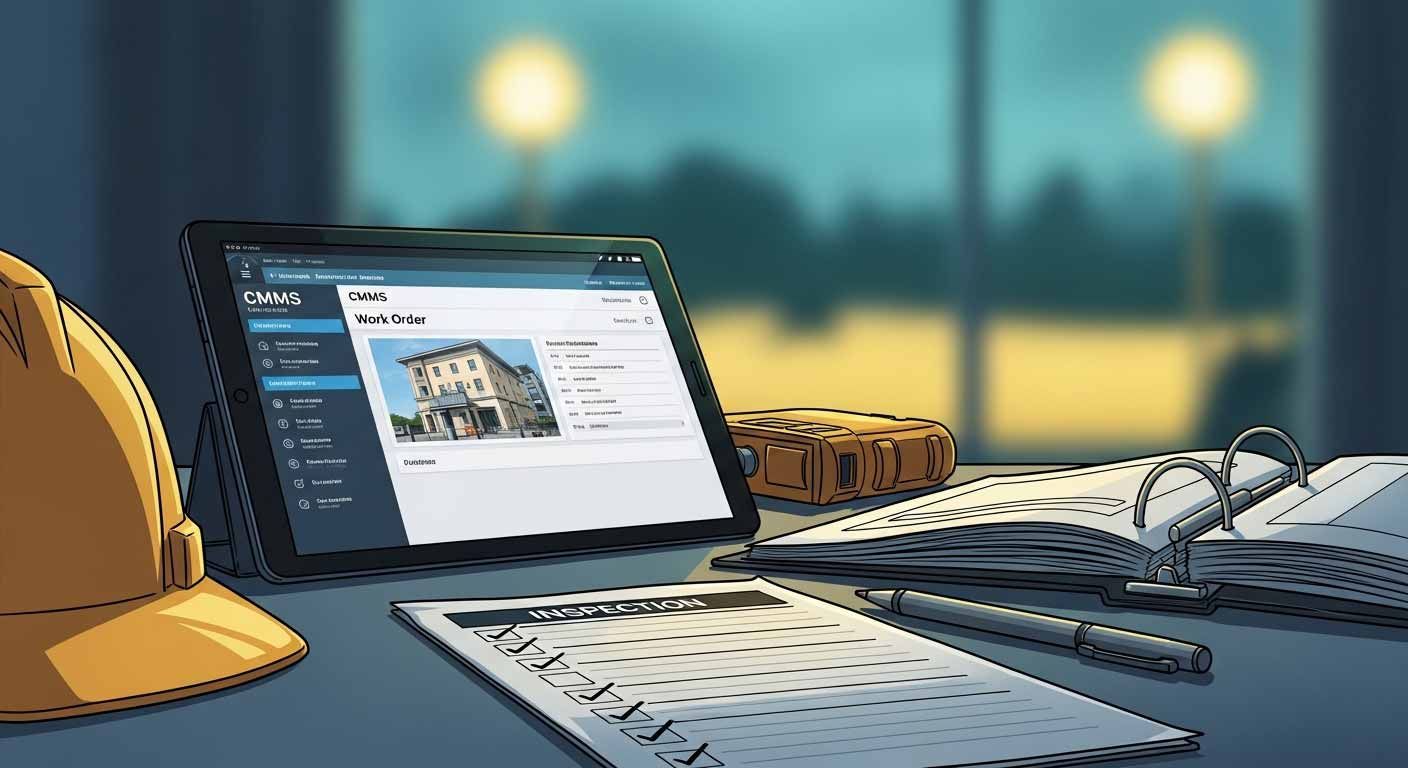
- Technology platforms: CMMS capability, work order management, and client-facing reporting access signal operational maturity. Buyers managing their own facility portfolios expect real-time visibility, not monthly PDF reports.
- Compliance and insurance documentation: Certificate of insurance management, licensing, and regulatory compliance for
HVAC, electrical, and other licensed trades. This is table-stakes for institutional buyers and often the first filter applied in prequalification.
- Past performance proof: References, retention rates, and documented KPIs from comparable accounts. Generalities won't hold up in a weighted scoring evaluation.
The weight given to each criterion varies by buyer type. Healthcare and higher education tend to emphasize compliance documentation. Corporate real estate leans toward technology platform compatibility and reporting transparency. Industrial facilities often weight technical self-performance depth more heavily. Understanding which signals matter to a specific buyer is part of effective positioning before any bid goes out.
The Vendor-to-Partner Shift
There's a real distinction in how buyers think about their facilities management relationships. Vendors get managed. Partners get consulted.
The positioning difference shows up in language, in service scope framing, and in what proof you bring forward. A vendor quotes tasks. A partner communicates operational impact. A vendor handles work orders. A partner demonstrates reduced reactive maintenance spend through documented preventive program results.
What I observe in facilities management marketing is that most companies present themselves transactionally. Services listed, certifications noted, coverage areas stated. That's what everyone says, and it doesn't separate you from anyone.
Companies that win multi-year renewals lead with outcomes that matter to the buyer's organization: uptime, compliance continuity, consolidated reporting, and reduced administrative burden for the client's internal team. They frame the work in terms of what the client gains, not just what the vendor delivers. It's a different document. It attracts a different kind of buyer relationship.
What Your Website Needs to Communicate
Website content is often the first substantive evaluation touchpoint in a long-cycle procurement process. By the time a prospect reaches out, they've spent time on your site deciding whether you look like the kind of company that can handle their portfolio.
The scope section needs to directly address self-performance depth. If your company self-performs mechanical maintenance, electrical work, or janitorial services, say so. Buyers want to know who is actually on-site under your contract, not just who manages the relationship.
Client retention proof matters more than most facilities management companies realize. Specific retention metrics, or references to account tenure without naming clients, signal that your existing customers are staying. Most sites skip this entirely.
Technology platform references need to be visible. Name the CMMS platforms you operate. Describe what client access looks like in your reporting environment. These details tell buyers whether your operational infrastructure matches their expectations before they invest time in a conversation.
And the compliance section should go beyond a certificate logo. Describe what compliance management looks like in practice, how you track regulatory changes affecting client facilities, and how you document corrective actions. Buyers awarding long-term contracts are transferring real operational risk to you. They want evidence you can carry it.
Positioning for Long-Term Contract Opportunities
This positioning shift doesn't happen overnight, but it's not complicated either. It requires auditing what your current marketing assets communicate versus what long-term contract buyers are actually evaluating. Usually the gap is significant, and it shows up most clearly on the website.
Sometimes it takes external perspective to see what buyers see when they evaluate your company against competitors. The language that feels obvious internally doesn't always communicate what buyers need externally, and the details that win contracts often aren't the ones companies lead with.
How Mansfield Can Help
Mansfield Marketing works with facilities management companies to develop marketing positioning that supports long-term contract acquisition. We identify the self-performance signals, technology platform documentation, retention proof points, and client-facing language that differentiate you from transactional competitors. Contact Mansfield Marketing to discuss positioning your facilities management company for long-term contract opportunities by
requesting a quote or calling us at (713) 936-5557.
Frequently Asked Questions
What makes a facilities management company look like a strategic partner rather than a vendor to a corporate buyer?
The difference usually comes down to outcome language and proof documentation. Companies positioned as strategic partners describe operational results, like compliance continuity, preventive-to-reactive maintenance ratios, and client retention metrics. Vendors describe service tasks. The marketing materials, proposal language, and website content need to reflect the outcomes buyers actually care about, not just the scope items being delivered.
How important is self-performance transparency in a facilities management proposal or marketing presentation?
It's significant. Procurement teams awarding long-term contracts want to understand the supply chain behind the service, specifically what your company delivers directly versus what goes to subcontractors. Companies that address this transparently in their marketing and proposal materials reduce buyer uncertainty early. Companies that leave it vague often face harder questions later in the evaluation process.
Does website content actually affect long-term facilities management contract awards?
Often, yes. Long sales cycles mean buyers spend time evaluating your company before initiating contact. What they see on your site during that research phase shapes whether they view you as a qualified candidate worth pursuing. Retention proof, CMMS platform documentation, compliance management language, and self-performance depth all send signals buyers use to filter before the first conversation happens.