The Search Visibility Problem
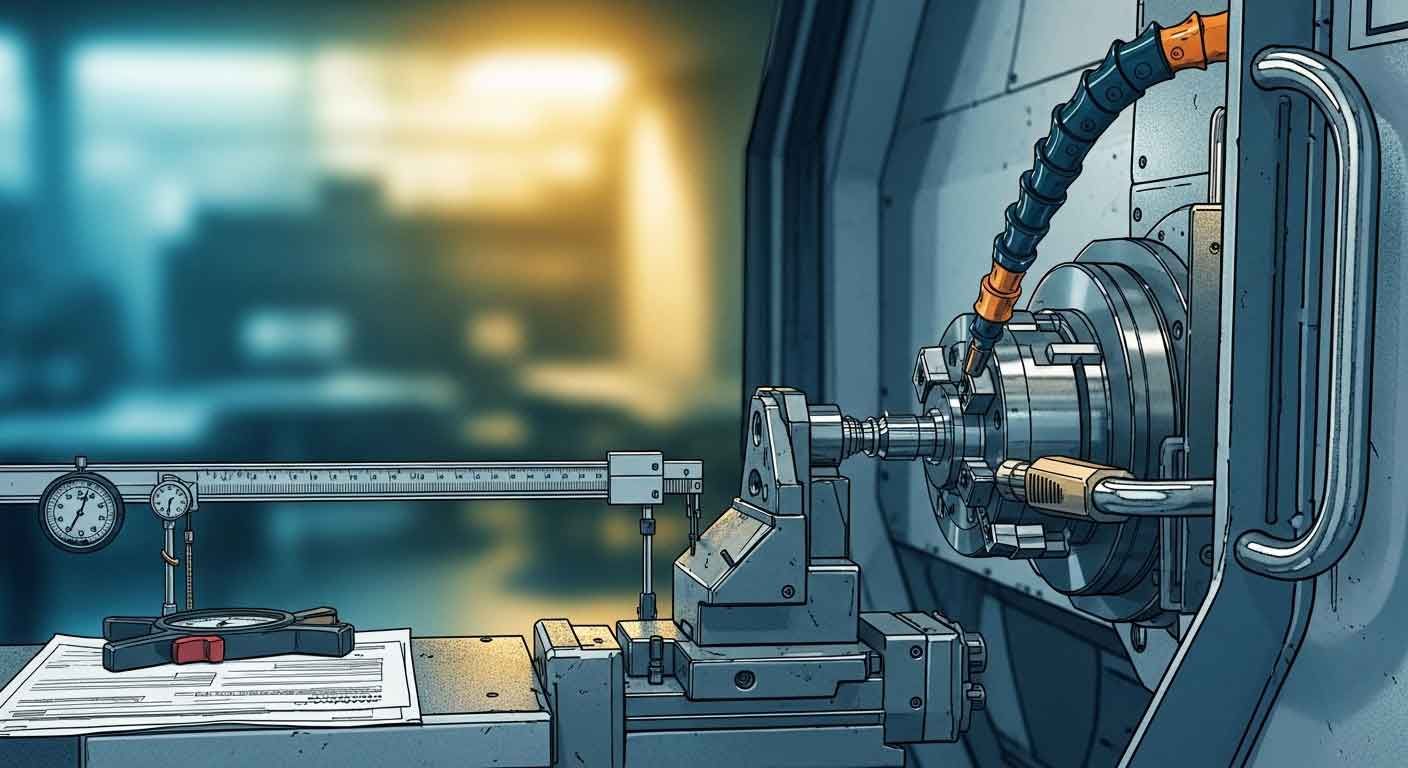
Swiss machining shops produce some of the most technically demanding parts in manufacturing. Medical implant components, aerospace fasteners, dental instrument hardware, micro-fluid fittings. Parts that require capabilities general CNC job shops simply don't offer. And yet, when buyers search for suppliers, Swiss specialists often end up competing for visibility against general-purpose shops handling a completely different range of work.
The problem isn't capability. It's how that capability gets communicated online.
A shop running Citizen multi-axis Swiss turning centers for medical device components and a general job shop running a single Swiss-type lathe for occasional small-part work look nearly identical on many manufacturing websites. Search engines see the same language. Buyers see the same claims. The Swiss specialist loses the visibility it earned through genuine technical investment.
What separates these shops in
precision machining marketing isn't equipment. It's specificity. And Swiss machining websites rarely have enough of it. Understanding how differentiation translates to buyer-qualified traffic is where most
repositioning work starts.
Why "Precision Machining" Positioning Fails
Walk through ten Swiss machining shop websites and you'll find the same claim on many of them. Precision machining. High-quality parts. Tight tolerances. State-of-the-art equipment. General CNC shops across the country use identical language. From a search perspective, a Swiss specialist running 32mm bar stock on dedicated Swiss turning centers sounds no different from a shop running one Swiss-type lathe as a secondary operation.
Precision is a baseline, not a differentiator. When shops claim it broadly, the word loses meaning for buyers and for search algorithms trying to match buyer intent with supplier capability.
What buyers searching for Swiss machining suppliers actually want to know is specific: what diameter range do you run, what secondary operations are integrated, and what volumes can you handle? Answering those questions clearly separates a Swiss specialist from a general job shop. Claiming precision does not.
What Medical and Aerospace Buyers Need from Swiss Shops
Production buyers in medical device and aerospace manufacturing evaluate Swiss suppliers against a fairly specific set of criteria. Small diameter capability matters because the parts they source are often under 25mm. Secondary operation integration matters because they want completed parts, not blanks requiring additional setups. Production volume capacity matters because prototype qualification is just the entry point. They're looking for a supplier that can run tens of thousands of parts per month without quality drift.
What I see missing from many Swiss machining websites is any clear answer to these questions. The technical qualifications exist. The equipment is there. But the website communicates capability in the same generic language a general job shop would use.
Medical buyers sourcing Swiss machined components are often procurement engineers with approved vendor lists. They search, qualify fast, and move on if the signal-to-noise ratio is too low.
The Missing Swiss-Specific Signals
What search engines and buyers both respond to is specific technical language that matches the problem being solved.
Bar diameter capacity. Whether a shop runs 1mm through 32mm or has Swiss capability up to 65mm changes the buyer pool entirely. Secondary operations. Whether Swiss machining is paired with milling, broaching, thread rolling, or in-process inspection tells buyers whether they're sourcing a complete part or a blank. Production minimums. A shop built for high-volume production should say so explicitly.
These details are almost never stated clearly. What I see instead is a capabilities page listing machine brands and counts. Citizen L20. Tsugami B0205. Tornos MultiAlpha. Equipment names without application context don't answer the questions production buyers are actually asking.
From a technical SEO standpoint, the missing signals also mean missing keyword relevance. Swiss CNC bar diameter, small-part machining, high-volume Swiss turning, secondary operations integrated. These are phrases that match buyer searches and separate Swiss machining specialists from generic precision machining results.
The Prototype vs. Production Positioning Problem
Swiss machining shops are production shops at their core. The equipment is expensive, setups are complex, and the real efficiency comes from volume. And yet, many shop websites position themselves like general job shops chasing custom work.
"We handle everything from prototypes to production." That language appeals to nobody in particular. Prototype buyers need quick-turn work on basic equipment. Production buyers need demonstrated volume capability. Positioning for both simultaneously communicates specialization in neither.
What I see in precision machining marketing is a pattern: shops understate production capabilities because they don't want to turn away smaller orders. The tradeoff is that buyers placing large production orders, the medical device manufacturers and aerospace prime contractors who represent the real opportunity, don't see the signals they need.
Production minimums aren't just operational details. They're qualification filters. A shop that states minimum order quantities is signaling it runs production volume and expects buyers ready to commit.
How to Differentiate Swiss Machining Capabilities
Repositioning a Swiss machining shop means replacing generic precision claims with specific production capability statements. A practical framework:
- State bar diameter ranges explicitly (Swiss turning from 0.5mm to 32mm)
- Describe secondary operation integration by name: live tooling, thread rolling, broaching, in-process gauging
- Name industries served by part type: surgical instruments, aerospace fasteners, dental components, hydraulic fittings
- State production volume capacity with specifics: monthly unit capacity, multi-shift structure
- Include tolerance statements with context: geometric tolerances achieved on specific part types, not just "tight tolerances"
Each signal tells buyers something specific and filters out buyers who need something different. Fewer RFQs from prototype shoppers. More qualified inquiries from production buyers who actually match shop capability.
Repositioning for Production Buyers
Fixing the visibility problem requires more than adding keywords. Swiss machining shops need content structured around how production buyers evaluate suppliers. That means capability pages built around applications and industries, not equipment lists. Production volume statements that qualify buyers before they submit an RFQ. Technical language specific enough to separate Swiss machining specialists from general job shop results.
The repositioning work is operational, not cosmetic. It requires understanding what production buyers search for, what signals qualify a shop at a glance, and how to structure content so the right buyers find the right shop.
How Mansfield Can Help
Mansfield Marketing works with precision machining shops to restructure website content and positioning for production buyer qualification as part of a holistic marketing strategy. We identify the specific signals that matter to medical device, aerospace, and industrial production buyers, and build content that communicates Swiss machining capability at the depth those buyers need. Contact Mansfield Marketing to discuss repositioning your Swiss machining marketing for production buyers by
requesting a quote or calling us at (713) 936-5557.