The First Call Goes to the Most Familiar Name
The rental company that gets called first usually gets the job. Not necessarily the one with the best fleet, the fastest delivery, or the most competitive rates. The one that came to mind when the project manager needed a machine yesterday.
That dynamic is the central challenge in
equipment rental marketing, and it's one many rental companies aren't actively solving. What I see in the industrial services space is that buyers reach for familiar names, not search results, when the pressure is on. The
heavy equipment sector runs on exactly this kind of familiarity: name recognition built through repeated visibility before the urgent call ever happens.
When a project manager hears a rental company's name from a colleague or spots their equipment on a nearby job site, the first thing they do is look them up. What they find either confirms the relationship or ends it. And buyers doing independent research before any human contact happens are searching for equipment types, service areas, and application-specific answers.
Building search visibility around those queries is how a rental company gets into that consideration set before the competition.
How Rental Buyers Actually Make Decisions
Project managers and site superintendents make equipment rental decisions fast. The timeline between "we need a machine" and "I need it on site tomorrow morning" is often hours. That kind of time pressure changes everything about how decisions get made.
There's no RFP. There's usually no competitive pricing comparison. The buyer reaches for a name they recognize, calls, confirms availability, and moves on to the next problem. If that company can't deliver, they call the next name they remember, not the next result in a Google search. The same pattern shows up across
crane and rigging companies and other equipment-intensive trades. Buyers under time pressure go with whoever is already in their head.
Brand familiarity at the account level matters more in rental than in almost any other part of the industrial sector because of this. Buyers aren't evaluating options in a relaxed setting. They're solving a problem under pressure, and they'll solve it with whoever is already in their consideration set. The companies that build that familiarity before the project starts are the ones that get called first.
What Project Managers Are Actually Evaluating
Once a rental company is in the conversation, the evaluation shifts to a short list of practical concerns. Project managers are asking a few specific questions before they commit:
- Can you get the right machine to my site when I need it?
- Is the equipment well-maintained and unlikely to fail mid-shift?
- If something goes wrong, will you respond?
Fleet availability and delivery speed are the first filter. A rental company that can't clearly communicate geographic coverage and response time loses the call before it starts. Maintenance standards matter because a down machine on an active job site is an expensive event, and buyers read signals: equipment photo quality, how a company describes its maintenance program, how organized the web presence looks. A company that presents itself sharply communicates reliability before any conversation starts.
Operator support and on-site service response matter for specialized equipment and less-experienced crews. Rental companies that offer this but don't communicate it clearly are leaving a competitive advantage on the table.
What I observe on many rental company websites is a catalog of equipment categories with minimal spec detail and no availability signals. A buyer trying to verify that a rental company can serve their specific project, machine type, service area, and timeframe, often can't find what they need and calls someone else instead.
Building Visibility Before the Urgent Call
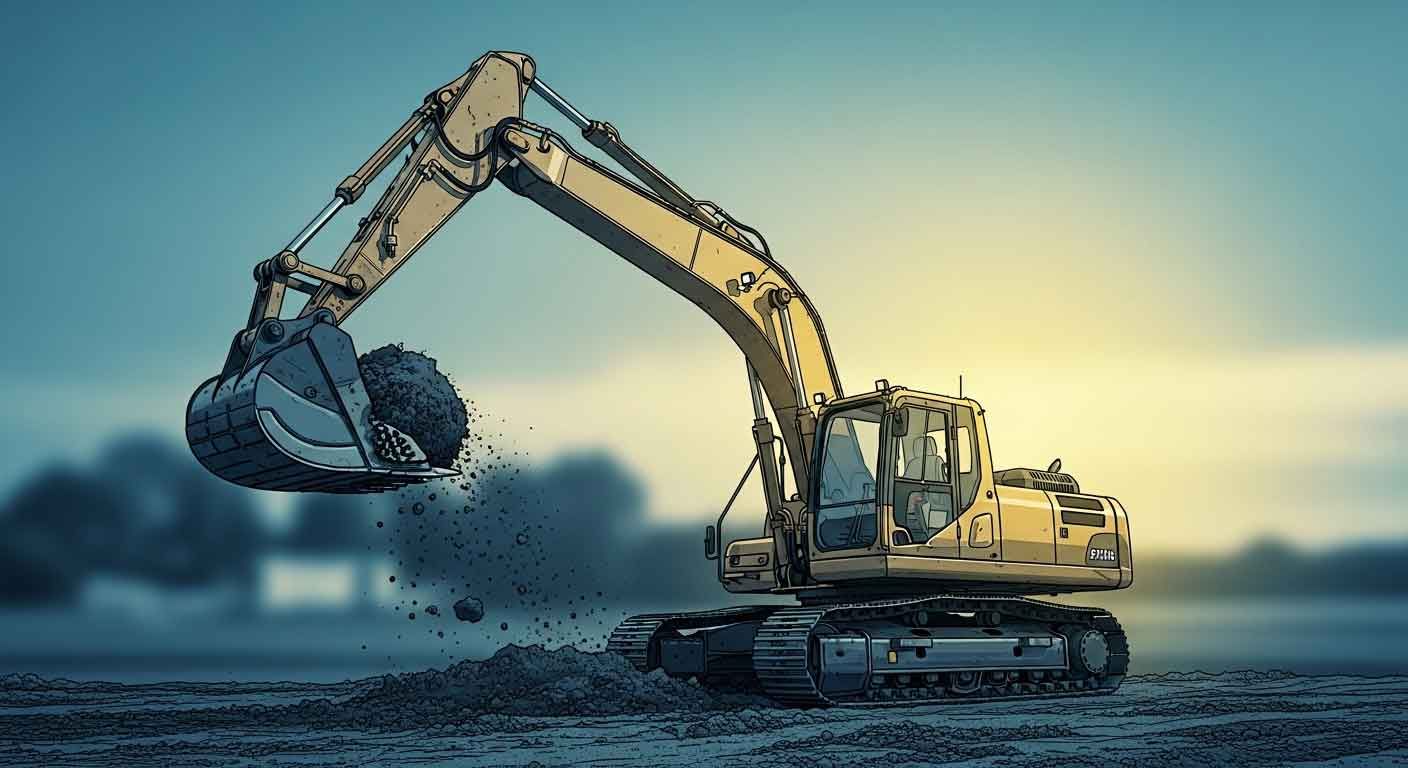
Rental buyers search specifically. Not "equipment rental." They search "rough terrain forklift rental Houston" or "excavator rental Corpus Christi" or "aerial work platform rental 30-day." Equipment type and geography are always in the query.
An SEO strategy built around those combinations, every major equipment category treated as its own search opportunity and every market in the service area addressed, creates visibility that compounds over time. A buyer running application-specific research before a project starts finds useful content from one company. That company enters their consideration set before any competitor has made contact.
Fleet listing pages do real work here when they're built for the buyer's research process. That means machine specs that match what buyers are actually searching for, service area language, photos that communicate equipment condition, and clear calls to action for checking availability or requesting a quote. Thin category pages with minimal information don't do this work and cost the company calls it should be getting.
Content matters for the same reason. A buyer who found useful guidance on a rental company's site while planning a project, which excavator configuration works in a confined urban site, what lift capacity handles structural steel at height, is far more likely to call that company when the project starts than to run a cold search.
The Gap Between Capability and Account Penetration
Equipment rental is a local and regional game. Companies that win accounts are the ones with name recognition and digital visibility in their specific markets, for their specific equipment categories, before the competition gets called.
If a rental company is competing on fleet quality and delivery reliability but not showing up in the searches that matter, the gap between capability and account penetration is a marketing problem. That's a fixable problem.
Frequently Asked Questions
How do project managers typically choose an equipment rental company?
Decisions happen fast, based on name recognition more than formal comparison. Buyers reach for a vendor they've seen in search results, received a referral to, or encountered during earlier project research. Visibility built before the project starts determines who makes that short list.
What should equipment rental fleet pages include to convert more inquiries?
Specific machine specs matched to application needs, service area coverage, photos that communicate equipment condition, and clear availability or quote request actions. Buyers trying to qualify a vendor before calling need to find this information quickly. Pages that don't provide it send buyers to a competitor.
Building the Digital Infrastructure That Gets You Called First
The fix isn't complicated, but it requires building things many rental companies skip: search-optimized fleet pages for every major equipment category and market, application-specific content that answers the questions buyers research before a project starts, and a web presence that communicates fleet quality and delivery reliability before anyone picks up a phone. That's how a rental company gets into the consideration set before the competition.
How Mansfield Can Help
Mansfield works with heavy equipment rental companies to build the digital infrastructure that creates account-level visibility: search-optimized fleet pages, application-specific content, local SEO programs, and the overall web presence that makes a rental company look like the obvious choice when a project manager is under pressure and needs a name they can trust. Contact Mansfield Marketing to discuss building search visibility for your rental operation by
requesting a quote or calling us at (713) 936-5557.