New Industrial Verticals Now Available
I've expanded our industry coverage to include specialized manufacturing, testing, and technical service sectors that align with our expertise in complex B2B marketing. These additions represent industries where buyers conduct methodical research, require documented capabilities, and evaluate suppliers based on certifications and technical specifications in addition to brand awareness.
The 11 new verticals share common characteristics with our existing precision machining and industrial clients. Decision-makers in these sectors research suppliers months before issuing RFPs, verify technical credentials through digital channels, and prioritize operational evidence over marketing claims. Each industry faces the same fundamental challenge: communicating specialized capabilities to technical buyers who cannot evaluate supplier qualifications through generic service descriptions.
Calibration Services: Accredited calibration laboratories maintain measurement standards for pharmaceutical manufacturers, medical device companies, and aerospace contractors who require NIST traceability and ISO/IEC 17025 compliance. Quality managers researching calibration providers verify accreditation scopes, measurement uncertainties, and turnaround times before requesting quotes. Marketing challenges emerge when laboratory websites fail to communicate accreditation details, calibration interval capabilities, or industry-specific compliance expertise that procurement committees evaluate during vendor selection. These laboratories serve regulated industries where documented precision determines regulatory compliance, making technical credibility essential for contract acquisition.
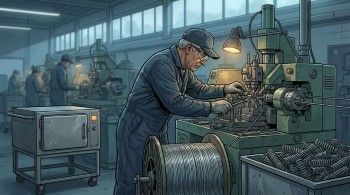
Custom Spring Manufacturing: Spring manufacturers supply compression springs, extension springs, torsion springs, and wire forms to aerospace, automotive, and industrial OEMs requiring precise load rates and material traceability. Design engineers evaluate wire diameter capabilities ranging from .008" to .625", material specifications, and quality certifications before requesting quotes. Procurement teams verify production capacity, tolerance capabilities, and testing protocols during vendor qualification. When spring manufacturers communicate capabilities generically without specifying wire diameter ranges or material traceability systems, engineers cannot verify whether operational capabilities match technical requirements. The industry spans high-volume automotive suppliers through precision aerospace spring shops, requiring differentiated marketing approaches.
Electric Motor & Generator Manufacturing: Motor and generator manufacturers supply industrial plants, utilities, and OEMs with equipment where energy efficiency ratings, voltage classifications, and operational reliability determine purchasing decisions. Design engineers specify motors and generators months before procurement teams issue RFQs, evaluating manufacturers based on technical documentation communicating load capacity, efficiency ratings, and application-specific capabilities. Industrial buyers verify energy efficiency certifications, voltage classifications, and continuous operation ratings before requesting quotes. The sector includes AC synchronous generator manufacturers, industrial electric motor producers, and custom engineering operations serving applications from petrochemical plants to data center backup power systems.
Environmental Remediation Services: Remediation contractors remove PFAS contamination, conduct emergency spill response, remediate underground storage tank sites, and execute Superfund cleanups for property developers, municipalities, and industrial clients. Property developers conducting due diligence and environmental managers overseeing site closures need verification that contractors understand CERCLA requirements, maintain proper licensing, and execute remedial action plans within budget and regulatory timelines. Marketing challenges center on demonstrating regulatory competence and project execution capability to buyers evaluating suppliers based on compliance history, insurance limits, and technical certifications. The work requires specialized equipment, OSHA-certified personnel, and intricate knowledge of federal and state environmental regulations.
Heavy Plate Fabrication: Heavy plate fabricators transform thick steel plates into pressure vessels, structural components, and industrial equipment withstanding extreme operating conditions. Project engineers and procurement teams verify press brake tonnage, plate thickness limits, ASME certifications, and material handling capabilities before requesting quotes. Marketing challenges center on communicating capacity specifics during vendor qualification phases when technical buyers evaluate heavy plate suppliers. The sector includes ASME-certified pressure vessel fabricators, structural steel operations, plate rolling specialists, and industrial tank manufacturers serving petrochemical, marine, and power generation applications where dimensional tolerances and documented quality control processes determine supplier qualification.
Industrial Automation: Control system integrators design and implement PLC programming, SCADA systems, and robotic system integration, but procurement begins months before RFPs are issued. Plant managers and operations executives research automation capabilities during facility modernization planning, evaluating system integrators based on technical competency and project track record. Manufacturing facilities face pressure to increase output while addressing workforce shortages and modernizing aging systems. Operations teams research automation integrators capable of delivering PLC programming, HMI development, and SCADA implementation. Engineering directors evaluate control system integrators on technical depth, not marketing claims. The sector includes firms specializing in process automation, discrete manufacturing automation, building controls, and warehouse automation systems.
Industrial Product Design: Product design firms bridge the gap between innovative concepts and production-ready products through concept design, 3D CAD modeling, prototyping services, and design for manufacturing expertise. Engineering managers and product development teams researching design partners cannot verify prototyping capabilities, DFM expertise, materials selection knowledge, or manufacturing network relationships through generic portfolios. Procurement teams evaluate machinery suppliers based on rapid prototyping capabilities, injection molding knowledge, materials expertise, regulatory compliance experience, and successful product launches. Design firms communicating full-service product development without documenting engineering analysis capabilities or tooling cost optimization attract conceptual inquiries rather than contracts from companies with manufacturing deadlines and market launch requirements.
Non-Destructive Testing Services: NDT inspection companies provide asset integrity services to industries where equipment failure creates catastrophic safety and financial consequences. Plant managers and maintenance engineers researching NDT service providers cannot verify technician certification levels, code compliance expertise, or inspection method capabilities through most company websites. These buyers evaluate potential NDT partners based on ASNT certification levels, industry-specific code knowledge like ASME and API standards, advanced versus traditional testing capabilities, and response time for emergency inspections. The procurement process requires documented evidence of technical qualifications before contractors can be shortlisted for facility audits or project bidding in petrochemical, aerospace, and pipeline sectors.
Packaging Machinery OEMs: Packaging equipment manufacturers build filling systems, case packers, labeling machines, and turnkey packaging lines worth hundreds of thousands to millions of dollars. Production managers researching packaging automation verify throughput rates, changeover times, uptime percentages, and sanitary design certifications before requesting quotes. The challenge is reaching plant engineers and operations directors who research capital equipment purchases through detailed specification reviews spanning six to eighteen months. When packaging machinery OEMs communicate generic manufacturing capabilities without addressing throughput specifications and compliance certifications, qualified engineering prospects cannot verify fit before RFQ stage.
Quality Management Consulting: Quality management consulting firms guide manufacturers through ISO 9001 certification, AS9100 aerospace standards, FDA compliance, and continuous improvement initiatives. These consultants bridge the gap between regulatory requirements and operational reality, helping companies pass audits and maintain certification status. The marketing challenge centers on demonstrating audit preparation capabilities, certification success rates, and industry-specific expertise that quality directors and compliance officers evaluate when selecting advisory partners. Plant managers researching quality consultants need to verify ISO certification experience, regulatory knowledge depth, and implementation methodology before requesting proposals. The consulting relationship extends beyond initial certification into ongoing advisory partnerships supporting manufacturing quality operations.
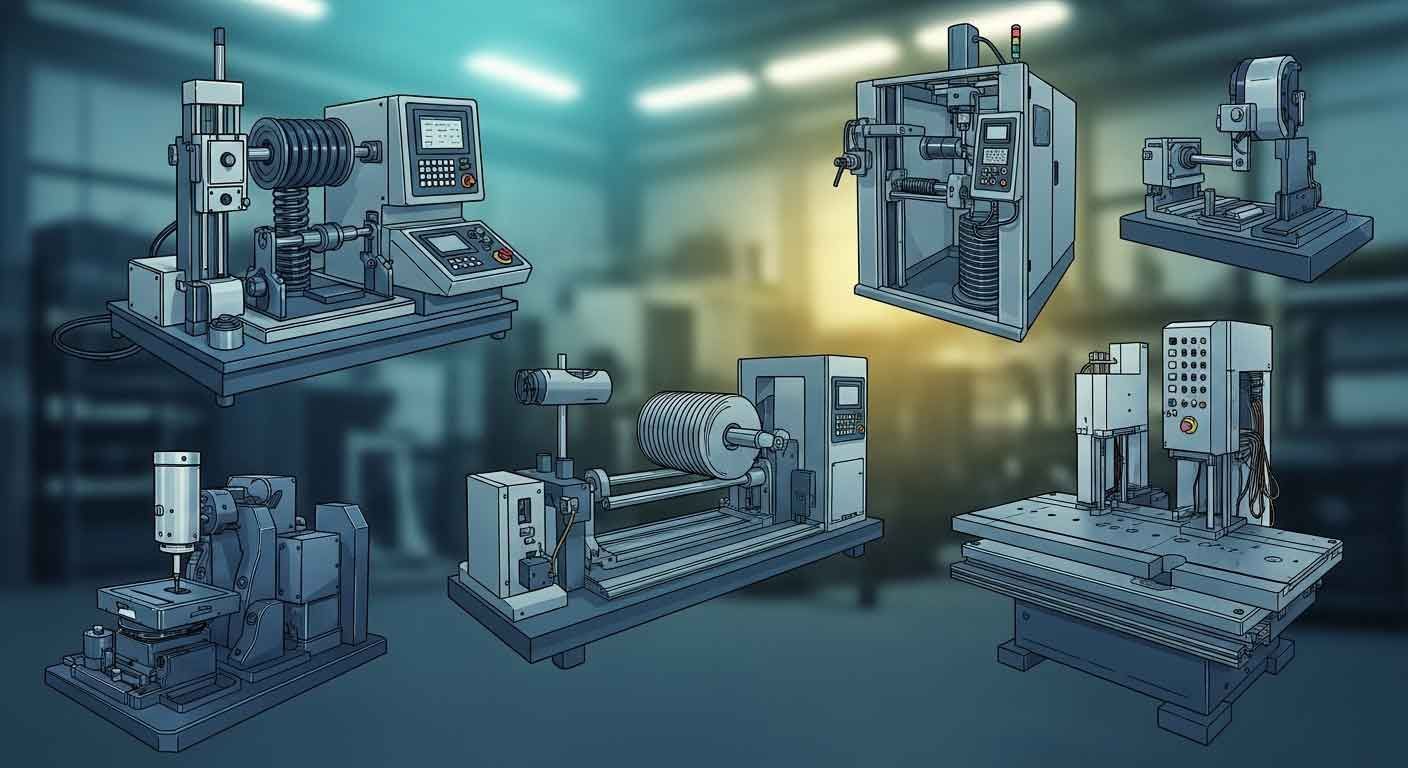
Specialty Industrial Machinery: Specialty machinery manufacturers serve sectors requiring purpose-built solutions for paper processing, food production, automation systems, and process equipment. These OEMs and line builders engineer complex machinery integrating mechanical systems, electronics, software controls, and IIoT connectivity for production environments. Buyers evaluate suppliers months before issuing RFPs, researching configure-to-order capabilities, system integration expertise, and service-based business models. The marketing challenge centers on demonstrating technical sophistication to engineering teams who specify equipment based on system compatibility and lifecycle support rather than standard machine features. Equipment specification begins long before formal RFPs as engineering teams research suppliers capable of delivering engineer-to-order solutions.
Supporting Technical Industrial Markets
These expanded verticals strengthen our positioning as a marketing agency specializing in complex B2B sales cycles where buyers conduct extensive research before initiating vendor contact. Each industry represents the type of technical marketing challenge where generic agency approaches fail because decision-makers require documented capabilities rather than persuasive messaging.
You can view these new verticals alongside our already established list on the
Industries We Serve page and on the
List of Industries we Serve by NAICS Code page.
I focus on helping industrial and B2B companies communicate technical specifications, certifications, and operational capabilities to buyers conducting methodical vendor evaluations. These new industry pages provide specialized frameworks addressing the procurement processes and qualification requirements specific to each sector.