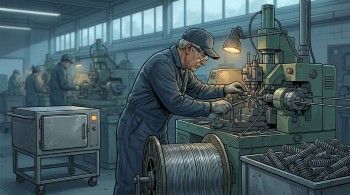
The Best Prospect Isn't Shopping Out Loud
A co-packer's best prospect is rarely a startup with a first product. It's a brand that has outgrown its first packer. The volume doubled, the original packer is running short on line time or formats, and someone in operations has started quietly looking for the next partner. That brand doesn't post an RFP. It searches, asks around, and builds a short list before anyone on the co-packer's side knows it exists.
Across
logistics and supply chain companies, this pattern shows up in different forms. For co-packers it's the whole game, because a brand that switches at scale brings real volume with it.
What the Growing Brand Is Worried About
A brand leaving its first packer has usually been burned by something, or is about to be. The worries are specific:
- Minimum order quantities that fit today's volume and next year's
- Line capacity and the packaging formats the brand needs now, plus the ones it plans to add
- Cost per unit as volume grows, not just at the first run
- Lead times and scheduling priority when the brand is one customer among many
- The risk of a failed changeover: missed launches, rework, or product that doesn't match the old spec
That last one matters most. Switching packers is a risk the brand's operations lead owns personally. Anything a
contract packaging company can do to lower that risk before the first call is worth more than a longer equipment list. The same goes for brands that want one partner to pack, store, and ship; where a co-packer offers
logistics and fulfillment, that belongs in the first conversation.
Why "We Pack Anything" Loses the Deal
What I see on many co-packer websites is an equipment list, a few stock photos of a line, and some version of "we can pack anything." It's meant to sound flexible. To a growing brand it sounds like a packer that hasn't thought about their product.
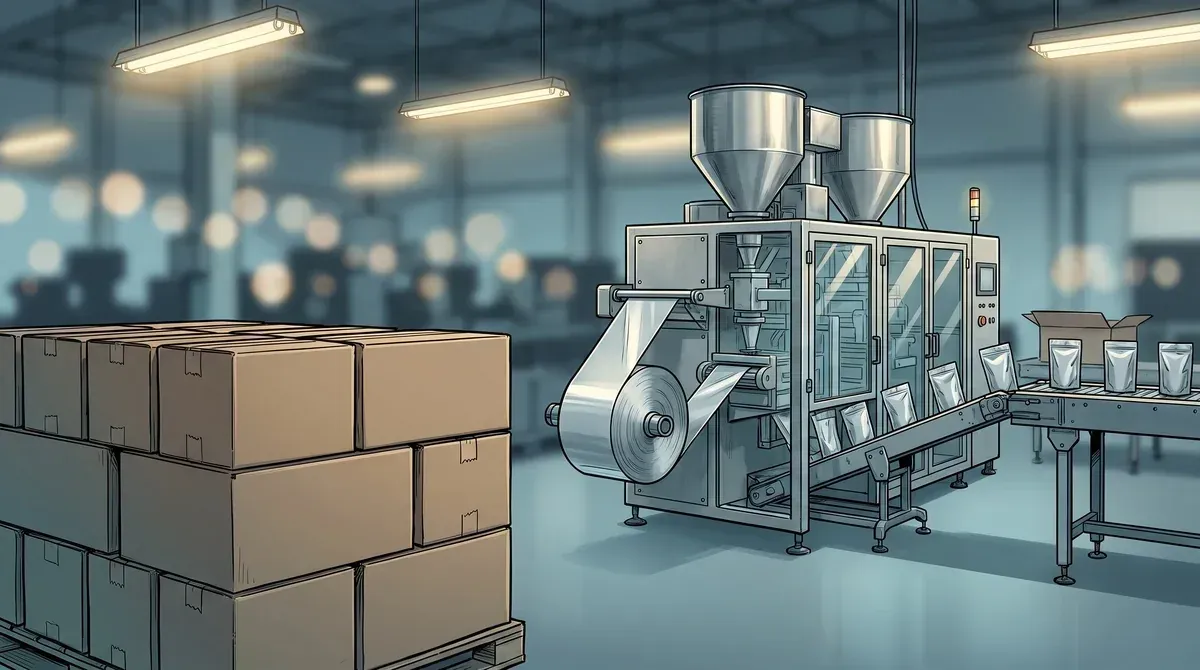
The co-packers that win these brands describe what they actually handle: the formats (stand-up pouches, stick packs, bottles, cartons), the volumes they run well, the product types they specialize in, and the certifications that come with them. Specific beats flexible. A brand searching for a pouch co-packer that can take on a larger run wants to see pouches, volumes, and proof, not a list of machines.
What a Brand Checks Before Requesting a Quote
Before reaching out, a growing brand typically looks for:
- A GFSI-benchmarked certification such as SQF or BRCGS, where the product category calls for one
- FDA registration for food facilities
- Minimum order quantities, stated plainly
- Packaging formats, with photos of real runs
- Traceability readiness. FDA's food traceability rule under FSMA 204 now has a compliance date of July 20, 2028, and brands with covered foods are already asking about it
- Warehousing and fulfillment options, if the brand wants one partner instead of two
A site that answers these on the page saves the brand a round of emails. That alone moves a co-packer up the list.
Be Findable When the Search Starts
The brand's search starts before any conversation does. Sometimes it's a Google search for a format and a volume. Other times it's an operations lead asking an AI tool for co-packers that handle a specific format with SQF certification in a particular region.
Either way, the co-packer shows up only if those specifics are written on its website in plain text. Format pages, certification pages, and a clear MOQ statement give search engines and AI tools something concrete to match. A generic capabilities page gives them nothing.
Position the Next Step Up
The growing brand isn't looking for another packer like the one it has. It's looking for the next step up: more capacity, better formats, fewer surprises. A co-packer that describes itself that way, with the specifics to back it up, stops being a lateral move and becomes the obvious upgrade.
How Mansfield Can Help
Mansfield Marketing helps co-packers describe the formats, volumes, and certifications growing brands check for, so they're found when the search starts, as part of a holistic marketing strategy. Contact Mansfield Marketing to discuss positioning a co-packing operation for brands ready to switch by
requesting a quote or calling us at (713) 936-5557.