The Site Visit Went Well. Then Silence.
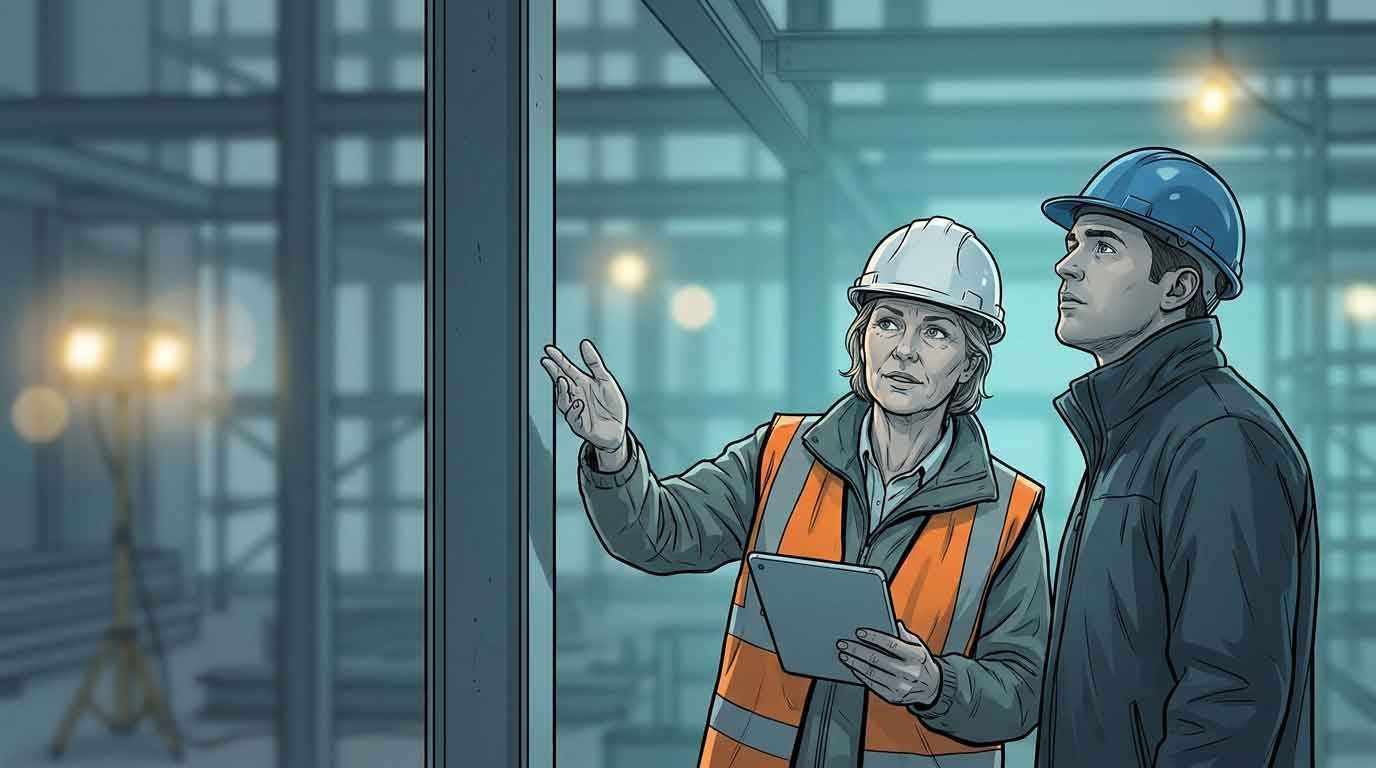
This pattern shows up often in construction and HVAC marketing. The lead comes in warm. The site visit goes well, the building owner nods along at the right moments, and then the phone stops ringing. No rejection. No mention of a competing bid. Just silence.
This isn't usually a sales problem in the way it looks. The site visit worked. The relationship worked. What's missing is a system to stay in front of that building owner through the weeks, sometimes months, it takes to actually decide.
That gap matters more in construction company marketing than in many other industries. A facilities director or property manager evaluating a contractor isn't making an impulse decision. They're weighing budget cycles, comparing bids, checking references, and often waiting on approval from someone above them. If nothing shows up between the site visit and the decision date, the firm that stayed visible wins, even when the actual work would have been comparable.
I look at
construction company marketing specifically because this industry runs on relationships built face to face, at the jobsite, in the walkthrough. That's a strength. It's also the reason so many firms rarely build a follow-up system. The in-person meeting felt complete, so nobody thought to build anything for after it.
This shows up just as often across
construction and facilities marketing broadly, whether the firm pours concrete, sets steel, or services rooftop units. The pattern is the same regardless of trade: strong first meeting, no plan for what happens next.
What Keeps a Contractor on the Shortlist
Building owners don't decide in one sitting. They circle back to the shortlist over days or weeks, and whoever is easiest to remember and easiest to trust at that moment tends to get the callback.
Staying on that shortlist takes three things: proposal-support content that answers questions before they're asked, proof the firm has done comparable work, and a real reason to reach back out.
Proposal support means the material that goes out with, or right after, the bid. A clear breakdown of scope. A straightforward answer to how long the work will disrupt operations. Warranty terms stated plainly instead of buried in fine print. When this material already exists, sales moves faster and looks more organized doing it.
Proof of similar work matters even more in
commercial HVAC contractor marketing, where a facilities director is often personally on the hook if a system fails after installation. A short project profile, one page, showing a similar building type and a similar scope, does more to ease that risk in their mind than a general capabilities brochure ever will.
And a real reason to re-engage beats a generic check-in. "Just following up" gets ignored. A note about material lead times shifting, a seasonal scheduling window closing, or a related project the firm just finished gives the owner something worth responding to.
This is where
sales enablement content built for proposal-stage follow-up earns its keep. It isn't about writing better emails. It's about giving the sales team material worth sending.
The Follow-Up Assets I Recommend Keeping Ready
Many construction and HVAC firms don't have half of this ready by the time the site visit even happens:
- A one-page project profile for a completed job similar in scope to the one being bid
- A short leave-behind answering the questions owners ask before signing: cost breakdown, timeline, warranty, disruption to operations
- Two or three reference contacts willing to speak to work quality and communication
- A written follow-up cadence tied to real information, like a permit update, a material lead time, or a seasonal window, instead of a generic check-in
Little of this is complicated to build. It just has to exist before the site visit ends, not get assembled after the third unanswered voicemail.
Where Marketing Hands Off to Sales
This is the handoff point people miss. Marketing's job isn't finished when the lead walks in the door or the site visit gets scheduled. Marketing's job includes building the proposal-support material, the project profiles, and the follow-up content sales needs to keep a warm lead warm through a long decision.
Sales still closes the deal. The site visit, the relationship, the trust built standing on the jobsite together, that's sales work and it should stay that way. But sales shouldn't be improvising what to send three weeks later when the owner goes quiet. That material should already be built and ready to go.
How Mansfield Can Help
Mansfield Marketing builds the proposal-support content, project profiles, and follow-up systems that keep construction and HVAC firms visible through a long decision cycle, not just at the site visit. Contact Mansfield Marketing to discuss building a follow-up system that keeps your firm on the shortlist by
requesting a quote or calling us at (713) 936-5557.